



Innovation
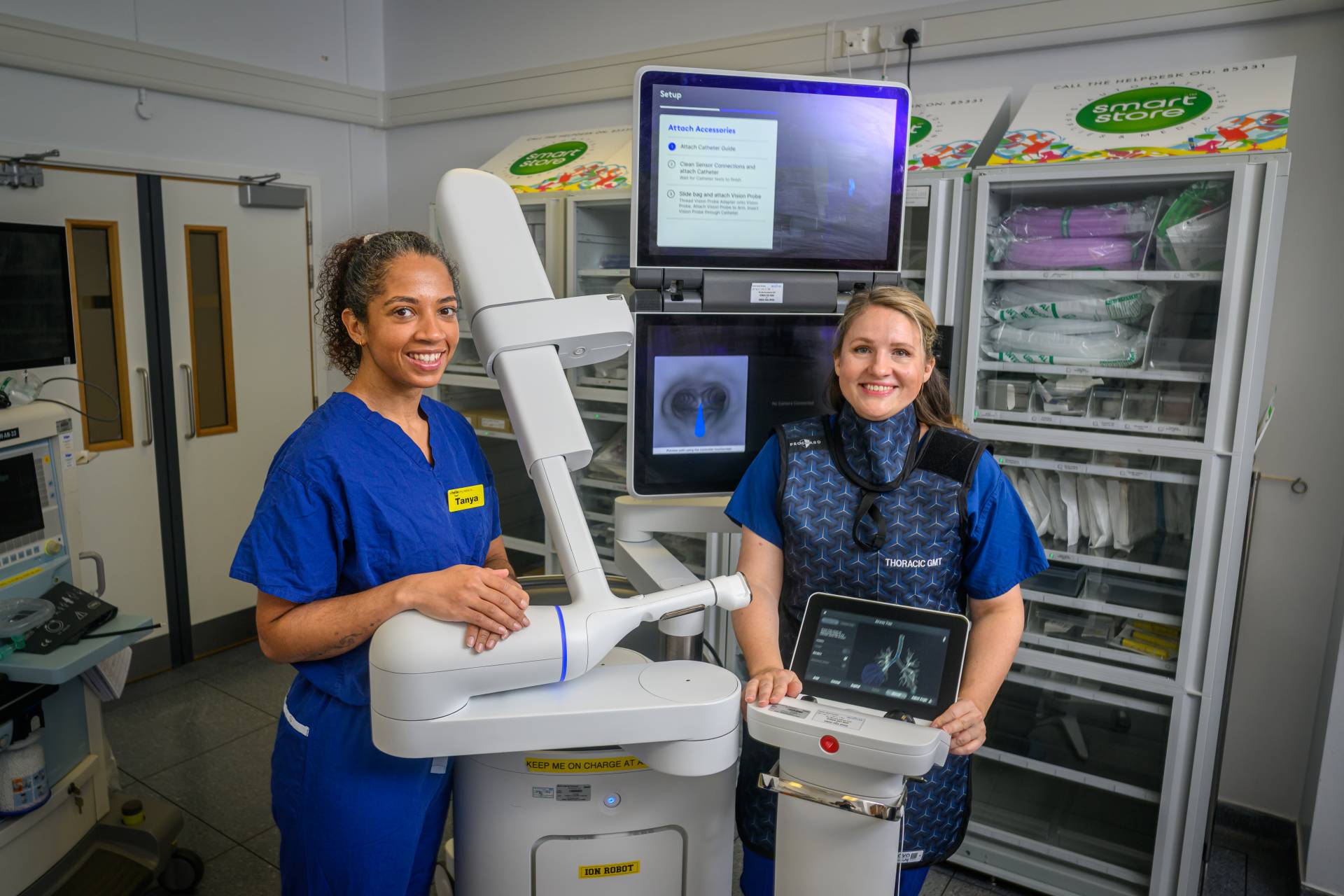
Bringing the best of AI and robotics into faster, safer lung cancer diagnostic pathways
Project Lead
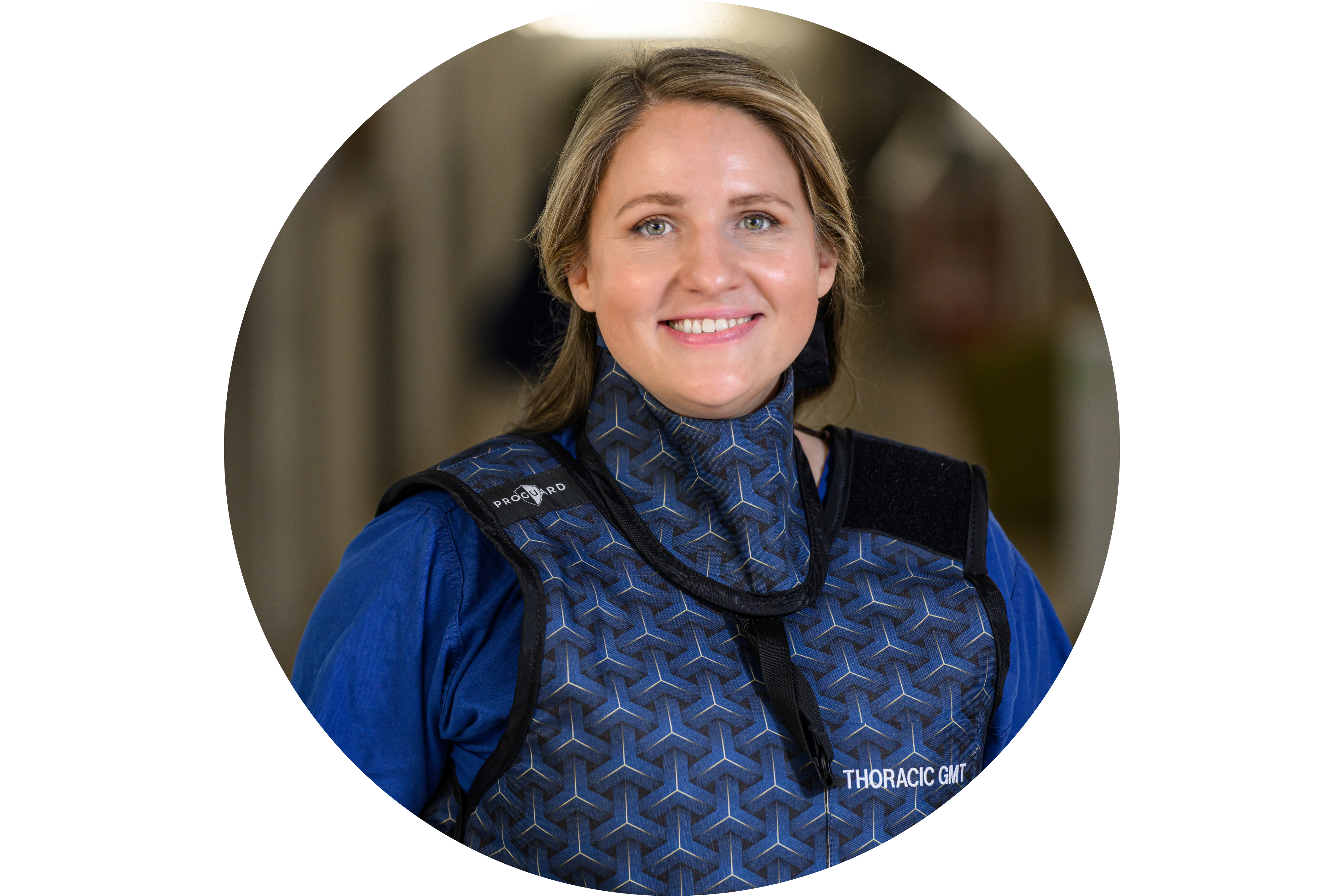
Miss Stephanie Fraser, Thoracic Surgeon; South East London Cancer Alliance Lung Cancer Lead
Quote from Stephanie Fraser
"Support from the NHS Cancer Programme Innovation Open Call has enabled us to test not just a new technology, but a new model of care. Our project focuses on the implementation and real-world deployment of AI-guided risk stratification and robotic diagnostics, examining how these disruptive innovations can be integrated safely and effectively to improve pathway efficiency, patient experience, and earlier cancer diagnosis at scale across NHS services."
About
Lung cancer diagnosis is time-critical and pathway delays translate to poorer clinical outcomes. However, early-stage lung cancer presenting as small pulmonary nodules can be difficult to characterise, biopsy and manage.
Guy's and St Thomas' are evaluating how two existing technologies - Optellum’s AI-powered Virtual Nodule Clinic for risk stratification of suspicious lung nodules, and Intuitive’s Ion robotic navigational bronchoscopy system for minimally invasive biopsy of small or difficult-to-reach lesions, can be safely and effectively embedded into a redesigned NHS lung cancer diagnostic pathway. By improving risk stratification and access to precise biopsy, the pathway aims to reduce delays between suspicion, diagnosis and treatment planning.
The value is in the pathway model: referral, imaging, AI risk stratification, MDT decision-making, theatre capacity, biopsy, pathology, treatment planning, data capture and evaluation. Support from the NHS Cancer Programme Innovation Open Call is enabling GSTT to evaluate the model in live NHS cancer pathways, learn how to operationalise AI safely, and develop an implementation approach that can be spread across NHS sites.
The project has a strong equity dimension because poorer lung cancer outcomes are closely linked to deprivation, access, late presentation and pathway complexity. Faster, clearer diagnostic pathways may reduce the risk that patients are lost to follow-up or experience avoidable delay.
GSTT is acting as an implementation and learning site, with planned onboarding of KCH and Lewisham to test how the pathway model transfers beyond the initial centre. Future spread will be supported through structured workshops, online show-and-tell sessions, implementation learning from the interim report, and practical guidance for NHS teams considering AI-guided robotic diagnostic pathways.
A core system benefit is the development of a spread model: how to assess site readiness, train teams, integrate AI safely, build referral routes, manage capacity, monitor outcomes and support equitable adoption.
The programme is actively working through how to match demand with capacity so that patients can be seen quickly and waiting lists can return to the intended diagnostic timeframe.
Impact
- Since April 2025, Guy’s has performed biopsy procedures on more than 680 patients using Ion robotic bronchoscopy. The project has demonstrated that high-throughput robotic bronchoscopy can be delivered in an NHS cancer pathway, with this device becoming the highest volume single device globally
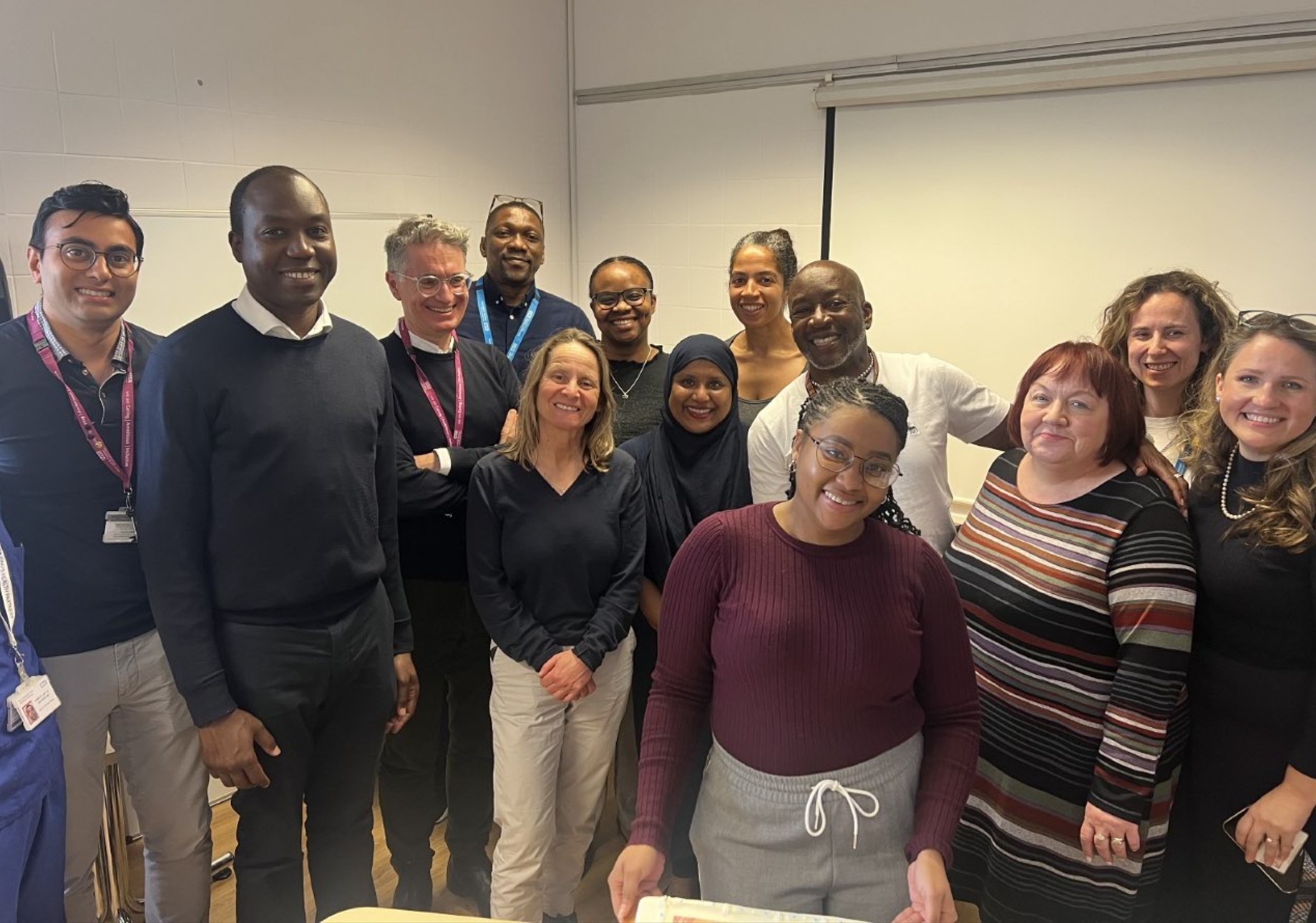
- Key partnerships established with Health Innovation Network South London, South East London Cancer Alliance, King’s College Hospital, and Lewisham and Greenwich NHS Trust
- Implementation has shown that digital innovation requires more than installing software. PACS, EHR integration, information governance, data flows and clinician workflow redesign all need to be aligned before digital tools can reliably improve frontline pathways. The pathway needs agreed referral criteria, theatre access, list capacity, trained staff, radiology support and pathology support
- The programme has identified key operational learning: diagnostic innovation can generate additional demand as clinical confidence, referral awareness and access improve. This is a positive learning point for spread: capacity planning must be built into adoption from the start
"The welcoming and efficient staff scheduled me in for the bronchoscopy in the morning and I went home in the evening. It was quick and painless. I wasn’t worried because the staff made me feel comfortable and reassured."
David Lindsay, Patient
Clinician quote
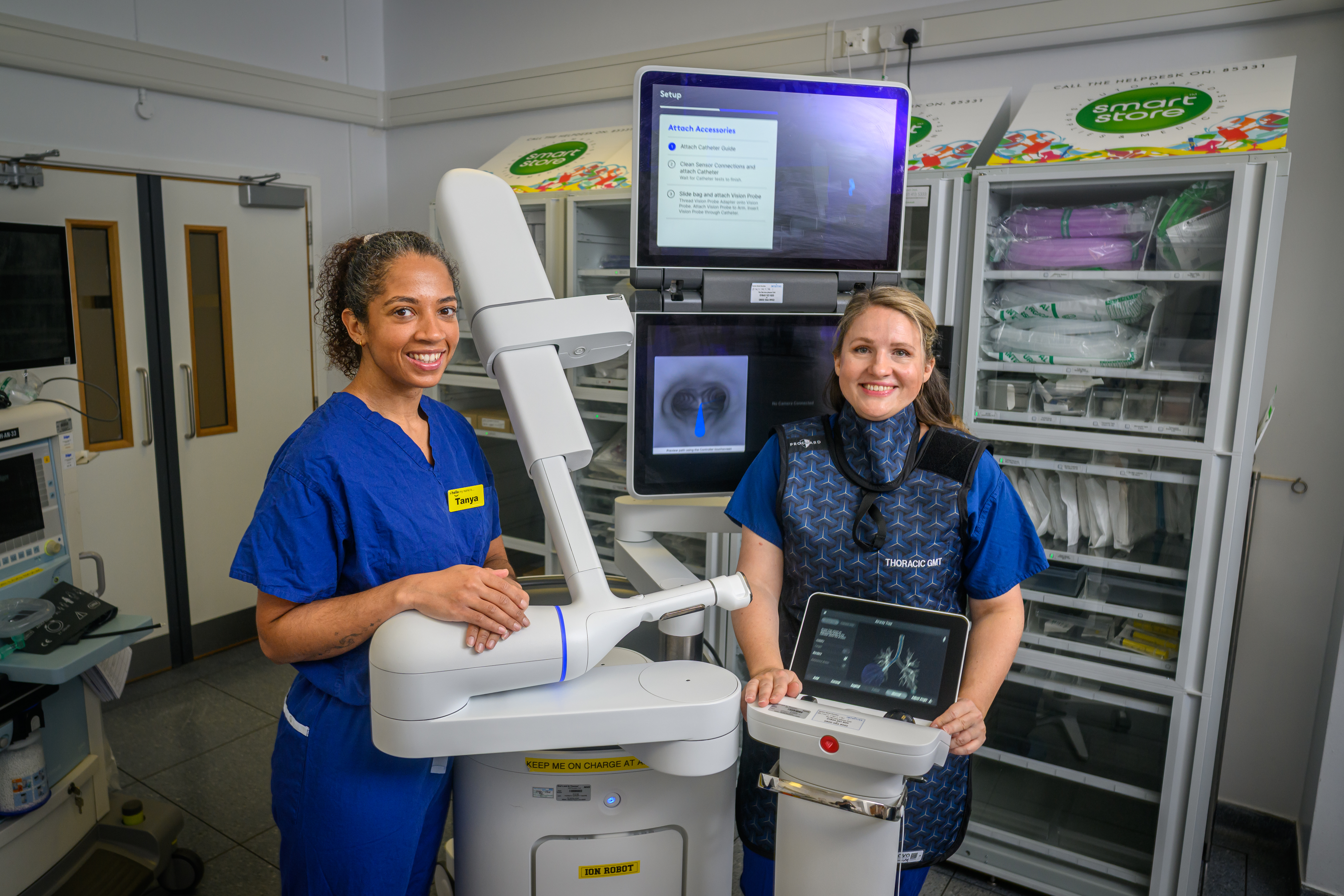
"As the patient's advocate, I try to make their experience less scary and overwhelming. By coordinating each step in a seamless way, we can help make the pathway more manageable for patients and their loved ones. Knowledge is power and we want to empower patients to take their
healthcare into their own hands."
Tanya Jackson, Advanced Nurse Practitioner
Date Published
August 2026